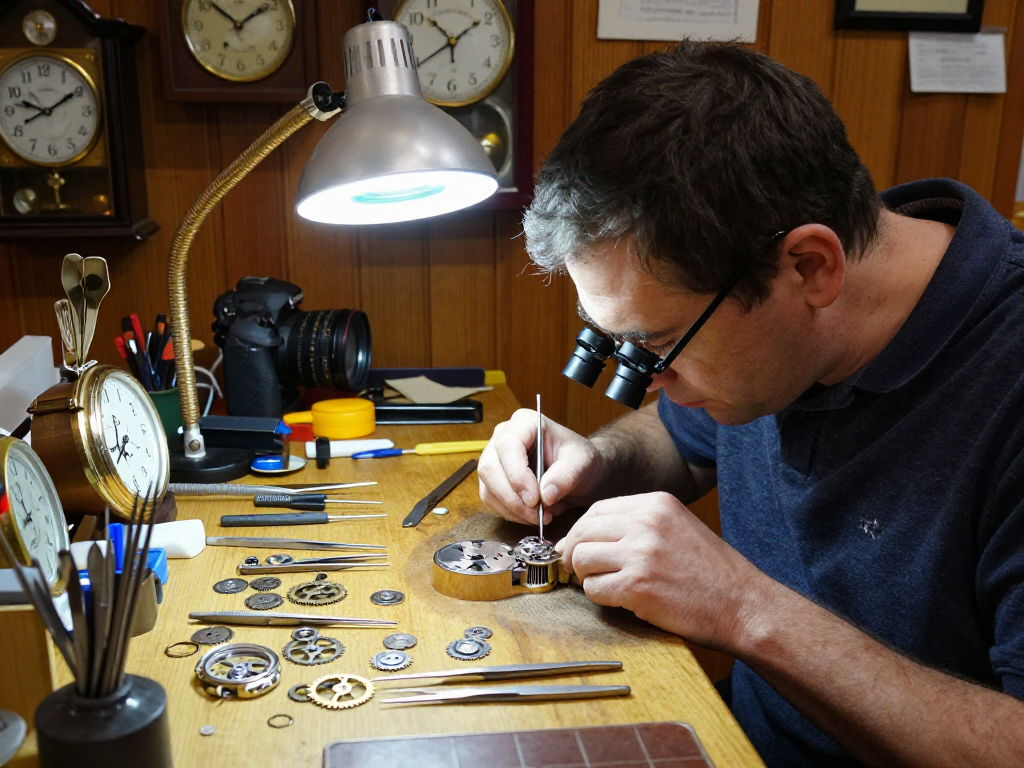
Understanding the 2135 Movement Parts
The 2135 movement parts represent a hallmark in the world of horology, renowned for their precision and reliability. As watch enthusiasts increasingly emphasize the importance of quality and craftsmanship, understanding the intricacies of these components becomes essential for both collectors and repair technicians. This article explores the 2135 movement parts, their historical significance, functionality, and the challenges that come with their maintenance.
When diving into the specifics of these parts, you’ll find that 2135 movement parts are not just about ticking away the seconds; they embody the artistry and engineering prowess that define luxury timepieces.
What Are 2135 Movement Parts?
The 2135 movement is an automatic chronometer movement, predominantly found in high-end watches manufactured by prestigious brands like Rolex. It is revered for its durability and efficiency, featuring a variety of intricate parts working together harmoniously. Each component, from the mainspring to the escapement, plays a critical role in ensuring accurate timekeeping and long-term reliability.
History and Development of the 2135 Movement
The origins of the 2135 movement can be traced back to the evolution of watchmaking in the mid-20th century. First introduced in the early 1970s, it was an innovative response to the growing demand for precision in wristwatches. Over the years, various manufacturers have improved upon the original design, enhancing features such as the balance wheel and the escapement mechanism, making the 2135 a centerpiece in the horological landscape.
Key Components and Functionality
The 2135 movement consists of numerous key parts that contribute to its overall functionality. Some of the most crucial components include:
- Mainspring: The power source of the watch, storing energy that powers the watch.
- Gear Train: Transfers energy from the mainspring to the escapement.
- Escapement: Regulates the release of energy, ensuring consistent timekeeping.
- Balance Wheel: Oscillates back and forth, controlling the timing of the watch.
- Rotor: A semi-circular weight that winds the mainspring as the wearer moves their wrist.
These components work in unison to ensure that the watch remains not only accurate but also capable of enduring the rigors of daily wear.
Common Challenges with 2135 Movement Parts
Despite their robust design, 2135 movement parts are not without challenges. Knowing these issues ahead of time can be invaluable for collectors and watch technicians alike.
Repairing the 2135 Movement: Common Issues
Common repairs associated with the 2135 movement often stem from wear and tear. Issues such as a malfunctioning rotor or a slipping mainspring can disrupt the functionality of the watch. Regular servicing is recommended to address these problems before they escalate, ensuring the longevity of the movement.
Identifying Genuine Parts vs. Imitations
In an era where counterfeit products are prevalent, distinguishing between genuine 2135 movement parts and imitations is crucial. Authentic parts typically come with specific engravings and certifications, while fakes may exhibit inconsistencies in craftsmanship. Collectors should maintain a keen eye, assessing the quality and authenticity of components when procuring replacements.
Maintenance Tips for Longevity
To keep your 2135 movement functioning optimally, regular maintenance is imperative. Here are some essential tips:
- Regular Servicing: Have your watch serviced every 3-5 years by a professional to ensure all parts are in working order.
- Clean Environment: Store your watch in a clean, dry place to avoid exposure to dust and moisture.
- Proper Winding: For watches that are not worn daily, ensure to wind them sufficiently to keep the movement lubricated.
The Future of 2135 Movement Parts in Horology
As we look into the future, the landscape of horology continues to evolve, with developments that may impact how 2135 movement parts are utilized.
Emerging Trends and Technologies
The integration of new technologies into traditional watchmaking is a growing trend. Innovations such as artificial intelligence in watch design and manufacturing are on the rise. These advancements may lead to enhanced accuracy and efficiency in the future models of 2135 movements, as manufacturers strive to meet the demands of modern consumers.
How Smart Watches Affect Traditional Movements
With the rise of smartwatches, traditional movements such as the 2135 may face competition. However, the tactile experience of mechanical watches and their value as collectibles maintain strong interest among enthusiasts. Brands are exploring hybrid models that fuse traditional mechanisms with smart features to appeal to a broader audience.
Predictions for 2135 Movement Parts in 2026
Looking ahead to 2026, we can expect continued appreciation for the craftsmanship behind 2135 movement parts, alongside a potential rise in modified versions that incorporate new technologies. As collectors seek to balance traditional aesthetics with modern functionality, the demand for authentic parts will likely remain strong.
Expert Tips for Watch Collectors
For collectors, understanding how to maintain and source parts for the 2135 movement can greatly enhance their experience. Here are some expert tips to consider:
Choosing the Right Tools for Maintenance
Investing in the right tools is essential for proper upkeep. Essential tools include a caseback opener, tweezers, and a watchmaker’s screwdriver, among others. Familiarizing yourself with these tools can empower you to perform basic maintenance and repairs on your 2135 movement.
How to Source Authentic 2135 Movement Parts
Sourcing authentic parts can be daunting. It's vital to purchase from reputable dealers or directly from the manufacturer. Additionally, verifying the authenticity through detailed documentation will safeguard your investment.
Best Practices for Collecting Timepieces with 2135 Movement
To maximize your collection's value, consider these best practices:
- Documentation: Keep all original documents and boxes, as they significantly enhance the watch's value.
- Condition Management: Regularly check for wear and take preventive measures to maintain the watch’s condition.
- Network: Engage with other collectors and join forums to stay informed about trends and insights in the horology community.
Frequently Asked Questions
What makes the 2135 movement a preferred choice?
The 2135 movement stands out for its precision, reliability, and craftsmanship, making it a preferred choice among luxury watch brands and enthusiasts alike.
How can I tell if my 2135 movement part is authentic?
Authenticity can be verified through specific engravings, documentation, and by purchasing from reputable sources.
What maintenance should be performed regularly on my watch?
Regular servicing every 3-5 years by a qualified watchmaker, along with proper cleaning and storage, is essential for maintaining a 2135 movement.
Are 2135 movement parts easily replaceable?
While many parts can be replaced, sourcing authentic components should be done with care to retain the watch's value.
What are the upcoming trends in horology for collectors?
Trends such as the integration of technology into traditional watchmaking and increased customization options are emerging as key factors for collectors to consider.